
tool
Weather App for Photographers — Golden Hour, Cloud Cover, and Fog
Golden hour timing, cloud cover prediction, fog forecasting, and wind detection for professional and amateur photographers planning photo sessions.

Photography is entirely dependent on light quality and atmospheric conditions. Professional photographers don't just check if rain is coming, they track cloud cover patterns, fog formation, wind effects on smoke and clouds, and golden hour timing down to the minute. The right weather intelligence transforms a mediocre shoot into a stunning session. Learn more in Best Weather App for Golfers. Learn more in Best Weekend for Fall Foliage 2026.
A weather app designed for photographers provides the specific data that controls image quality: precise golden hour timing, hourly cloud cover changes, fog predictions, and wind patterns affecting atmospheric effects.
Golden Hour Timing: The Most Critical Data Point
Golden hour is the period shortly after sunrise or before sunset when sunlight appears warm and diffused. It's the most sought-after lighting condition in photography because it flatters subjects, reduces harsh shadows, and creates dimensional depth.
But golden hour isn't fixed. It changes daily based on:
- Latitude (golden hour is longer in polar regions, shorter near the equator)
- Season (winter golden hours are earlier and longer; summer hours are later and shorter)
- Exact date (golden hour timing shifts by 2-4 minutes daily)
- Cloud cover (clouds extend golden hour magic, scattering light)
Precise golden hour timing in your weather app eliminates guesswork. Instead of "golden hour is around 6 PM," you get "golden hour is 6:47 PM to 7:23 PM today, with blue hour extending to 7:58 PM."
This precision lets you:
- Schedule shoots around perfect lighting (arrive 15 minutes early, leave 20 minutes late)
- Plan location scouting (know exactly when shadows will be in the right places)
- Optimize post-processing (understand what to expect from the light when shooting)
- Never miss golden hour again (no more showing up to an empty location after it ends)
For location photography, golden hour timing is the single most important weather metric.
Cloud Cover: The Modifier of Light Quality

Clear skies are not always better for photography. Different cloud conditions create different lighting:
- Completely clear skies: Harsh shadows, high contrast, limited color range
- Scattered clouds: Diffused light, reduced shadows, rich colors, dimension
- Overcast skies: Soft, directional light, muted colors, mood and atmosphere
- Heavy clouds: Flat light, minimal contrast, moody but sometimes boring
Hourly cloud cover forecasts let you plan for specific lighting effects:
- Scattered clouds during golden hour = magical, dimensional light (ideal for portraits)
- Overcast morning light = soft fill light perfect for product photography
- Clear skies for landscape = dramatic skies and clean shadows
Instead of hoping clouds cooperate, your weather app shows cloud cover trends throughout the shoot window. You can see when clouds arrive, how long they'll stay, and when they'll leave.
Fog Prediction: The Atmospheric Effect That Changes Everything
Fog creates some of the most evocative and dramatic photography. But fog is unpredictable—it forms and burns off based on precise temperature, humidity, and dew point alignments.
OpticWeather's Fog Prediction Tool gives photographers the atmospheric data needed to capture fog-based images:
- When fog will form (dew point conditions met)
- How long it will persist (burn-off timing)
- Fog density patterns (dense valley fog vs. thin coastal mist)
- Geographic variation (higher elevations clear faster; valleys hold longer)
This transforms fog from a random occurrence to a predictable and plannable asset:
- Schedule morning shoots in fog-prone areas on forecast days when conditions align
- Position yourself for sunrise through fog (one of photography's most beautiful moments)
- Understand burn-off timing (arrive early, know when magic hour ends)
- Capture atmospheric mood with confidence and precision
Check the Fog Prediction Tool to identify fog opportunities for your next shoot.
Wind Patterns: How Moving Air Affects Atmospheric Effects
Wind influences several photography elements:
- Smoke and clouds movement (wind pushes smoke from campfires, industrial stacks into compositional positions)
- Dust and light scattering (wind can blow dust particles that create lens flare and atmospheric depth)
- Water and spray effects (coastal photography depends on wind-driven wave and spray patterns)
- Vegetation movement (flowers, grass, trees move differently in wind, affecting action freezing)
Hourly wind forecasts let you predict:
- When atmospheric smoke will be positioned right (for wildfire photography or architectural detail shots)
- Coastal spray patterns for seascape work (heavy wind = bigger spray, different light scattering)
- Vegetation motion for freeze-frame vs. motion blur decisions
- Sand and dust patterns in desert and agricultural photography
Real-Time Visibility and Atmospheric Clarity
Visibility changes throughout the day as:
- Dust and pollution increase (morning air is clearest)
- Humidity shifts (afternoon humidity can reduce visibility)
- Weather fronts arrive (haze precedes rain systems)
- Air quality varies (wildfire smoke, pollution events reduce clarity)
Real-time visibility data helps you:
- Shoot distant landscapes during peak clarity (early morning light is also peak visibility)
- Understand atmospheric haze patterns (sometimes haze is desirable mood)
- Plan composition around visibility (can you see distant peaks today?)
- Troubleshoot image sharpness (is the softness from focus or atmospheric haze?)
Complete Weather Intelligence for Photography Planning
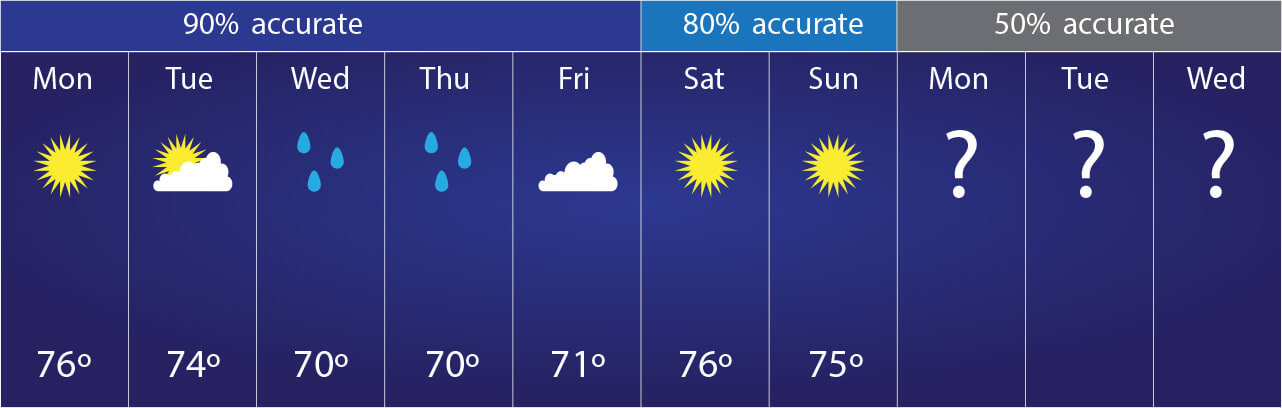
Professional photographers treat weather forecasting as essential to pre-shoot planning. Real-time, hourly weather updates replace guesswork with data:
Use this decision tree before every shoot:
- What time is golden hour? (check your weather app's golden hour timing)
- What's the cloud cover forecast? (scattered = dimension, overcast = soft, clear = drama)
- Will fog form? (check Fog Prediction Tool for dew point alignment)
- What's the wind doing? (affects smoke, spray, vegetation, atmospheric effects)
- What's the visibility? (best windows for distant landscapes)
- What's the UV and hazard risk? (plan breaks, gear, location safety)
Plan Your Perfect Photo Session
Before your next shoot, open OpticWeather and check golden hour timing, cloud cover patterns, and use the Fog Prediction Tool for atmospheric intelligence.
The difference between "nice photo" and "stunning image" is often just 15 minutes of better timing. Weather forecasting precision gives you that advantage.
Better light intelligence, better images, better photography.