
article
Winter Storm Preparedness Kit — Complete Checklist
Emergency storm kit checklist for hurricane, tornado, and winter storm preparation. Includes supplies, gear, and tools for survival when power and water fail.

Winter Storm Preparedness Kit — Complete Checklist
When winter storms hit or disaster strikes, store shelves empty fast and power goes out without warning. A prepared kit means your family has food, water, heat, and medical supplies when you need them most.
This checklist covers the essential supplies every household should have on hand before storm season. Customize it based on your location and household size.
Water: 1 Gallon per Person per Day, 2-Week Supply
- Bottled water (store-bought or filled containers)
- Water purification tablets or filters
- Plan for at least 14 gallons per person minimum
Food: Non-Perishable, Ready-to-Eat Items
Proteins:
- Canned tuna, chicken, salmon
- Canned beans and legumes
- Peanut butter and nut butters
- Protein bars and granola bars
Fruits and Vegetables:
- Canned fruits (applesauce, peaches, pears)
- Canned vegetables
- Dried fruits and raisins
Carbohydrates:
- Crackers, bread (keep fresh rotation)
- Cereal, oatmeal
- Rice, pasta (requires cooking backup)
Beverages:
- Powdered milk or milk alternative boxes
- Electrolyte drink mix (for dehydration recovery)
- Instant coffee or tea
Heat and Warmth Gear

For winter storms and extended power outages, layering is survival.
Base Layers: A Smartwool Merino 250 Baselayer insulates even when wet and dries faster than cotton. Merino stays warm without bulk during layering.
Mid Layers: A Columbia Bugaboo Fleece Interchange Jacket works as both a standalone layer and as part of your outer shell system. Fleece dries quickly and handles moisture that will accumulate during activity.
Cold Weather Footwear: Sorel Caribou Boots are rated to -40°F and keep feet dry during snow and flooding conditions. Waterproof construction and thick insulation prevent hypothermia from extended cold exposure.
Backup Heat Sources:
- Portable propane camping stove with fuel canisters
- Safe indoor alternatives (check for carbon monoxide risk)
- Blankets, sleeping bags (rated for at least 20°F)
Hydration and Temperature Maintenance
A Stanley Classic Vacuum Bottle keeps hot beverages or water at safe temperatures for hours without electricity. Fill with hot water before power fails or use it to serve hot tea and soup.
Water and Sanitation
- Portable water filter or purification tablets
- Hand sanitizer and wet wipes
- Toilet paper and plastic bags (if sewage backs up)
- Biodegradable soap
Medical and First Aid Supplies
- Prescription medications (30-day extra supply)
- Thermometer and blood pressure monitor
- Pain relievers (Tylenol, ibuprofen)
- Antihistamines and allergy medications
- Antibiotic ointment and wound care supplies
- Bandages, gauze, and medical tape
- Elastic bandages for sprains
- Sterile gloves and hand sanitizer
- First aid manual (printed, not digital)
Light and Communication
- Flashlights with extra batteries (multiple types)
- Headlamps (hands-free lighting for after-dark repairs)
- Glow sticks (safe, no batteries needed)
- Battery-powered or hand-crank radio
- Cell phone chargers (car and portable battery packs)
- Two-way radios or walkie-talkies
Tools and Utilities
- Multi-tool or knife
- Duct tape and heavy-duty tape
- Rope or cordage
- Matches and lighters (waterproof container)
- Screwdrivers, hammer, wrench set
- Crowbar (for clearing debris or accessing blocked exits)
- Tarps and plastic sheeting
- Sandbags or sand (for flooding response)
Documents and Cash
- Copies of insurance policies, deeds, and birth certificates (waterproof container)
- Cash (ATMs won’t work during power outages)
- Backup power banks for phones
- ID and passport copies
Tools to Prepare Before Storms Arrive
Check weather risk and timing before disaster strikes:
- Flash Flood Potential Calculator: Know your area’s flooding risk
- Severe Weather Risk Assessment Tool: Understand your tornado and severe weather threat level
- Barometric Pressure Monitor: Falling pressure means storms approaching
Storage and Access Tips
- Keep kits in easy-to-grab locations (garage, entryway, basement)
- Label everything clearly
- Rotate food and water every 6 months
- Store medications separately in waterproof containers
- Keep a household inventory with photos for insurance claims
- Review and practice your emergency plan annually
Assemble your kit now. Don’t wait until a storm warning forces you to compete with crowds at stores.
Water Storage Calculations & Tips
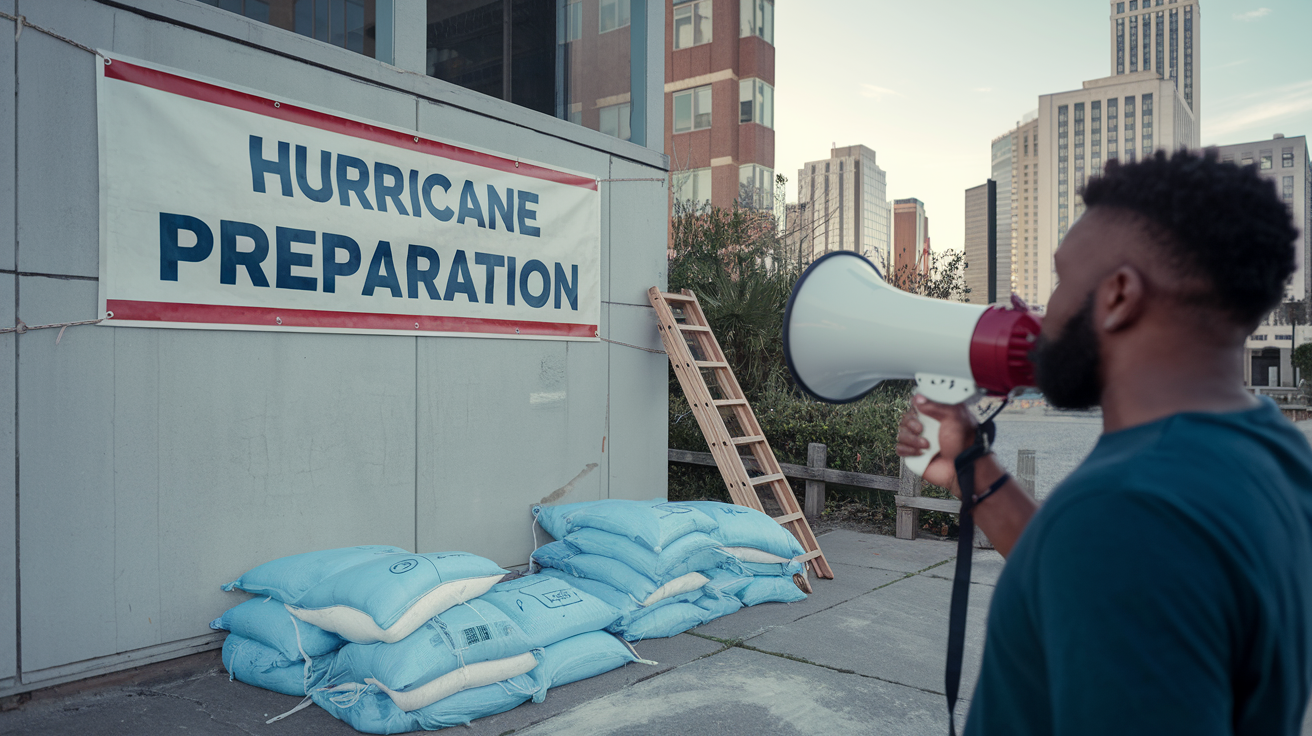
Storm shutdowns of municipal water utilities make household backup water reserves critical. But how much exactly?
The CDC recommends stockpiling a minimum of 1 gallon per person/pet daily:
For a family of 4 with 2 pets, 14 gallons stored to survive 1 week without infrastructure is ideal.
Storage Tips
- Containers: Store water in food-safe plastic containers, disinfected barrels.
- Labeling: Label containers by date filled for freshness checks.
- Rotation: Rotate supply through routine use to prevent stagnation.
Manual Tools for Communication & Safety
Safety & Security
- LED flashlights, battery lanterns, glowsticks
- Fire extinguishers
- Weather radio with manual generators
- Whistles for signaling help requests
- Emergency thermal blankets
Communication
- Battery/crank-powered portable phone chargers
- Non-electric landline phones
- Two-way emergency radios for community updates
- Paper copies of key contacts/documents/maps
These tools provide lifesaving utility when digital infrastructure fails.
Cash Reserves in Case Systems Fail
Flooded buildings can destroy paper money, but it’s wise to keep small cash reserves for non-digital transactions.
Tips
- Keep ~$100-500+ in small bills.
- Gather coins for laundry, vending purchases.
- Consider external battery packs for crypto access if operative.
No electricity means no scannable sales. Cash backups bridge potential commerce gaps.
Secure Vital Records Offline
Besides physical safety, major storms also threaten irretrievable loss of digital data and documentation.
Tips
- Backups: Photograph/scan important paperwork, store encrypted backups on external hard drives/discs.
- Printing: Print extra hard copies as alternate proof sources.
- Placement: Place papers high above potential water levels.
Don’t gamble your informational livelihoods solely online during disruptions.
Gather Pet Preparedness Provisions
For pet owners, emergency kits require special accommodations.
Short Term Holding Supplies
- Collapsible crates/carriers for transport
- Leashes/harnesses to prevent escapes
- Unique pet ID/microchips, photos
- Cotton leash/muzzle for nervous animals
- 3-7 day supply of medications, prescription pet food
Long Term Sheltering Gear
- 30-day supply of standard kibble/canned foods
- Rotated water, bowls, litter boxes/waste bags
- First aid ointments for minor wounds
- Calming anti-anxiety treats
- Favorite toys, treats
Don’t gamble your beloved companions' safety amidst catastrophe.
Tackle Sanitation & Cleanup Challenges
Extended power outages and flooded buildings create biohazard risks. Stock:
- Large heavy-duty garbage bags
- Bath wipes
- Chlorine bleach & disinfectants
- Masks, protective gloves
- Shovels, heavy work gloves
- Water purifying tablets
- Rodent/insect repellents
Safeguard your family against illness stemming from utility lapses.
Prepare Your Go-Bags
Besides household buffers, maintain personalized emergency 72-hour go-bags for urgent evacuation:
- Flashlight, radio
- Whistle
- Dust masks
- Emergency pajamas, underwear, socks
- Rain ponchos, emergency blankets
- Bottled water
- Snack foods
- Lightweight utensils
- Manual can opener
- Crucial medications, glasses
- Cash in small bills
- First aid items
- Notepad and pen
- Photos, external drive for vital digital info
- List of emergency contacts
Keep backpacks by the door ready to swiftly evacuate if urgent orders come.
Stages of Emergency Supply Acquisition
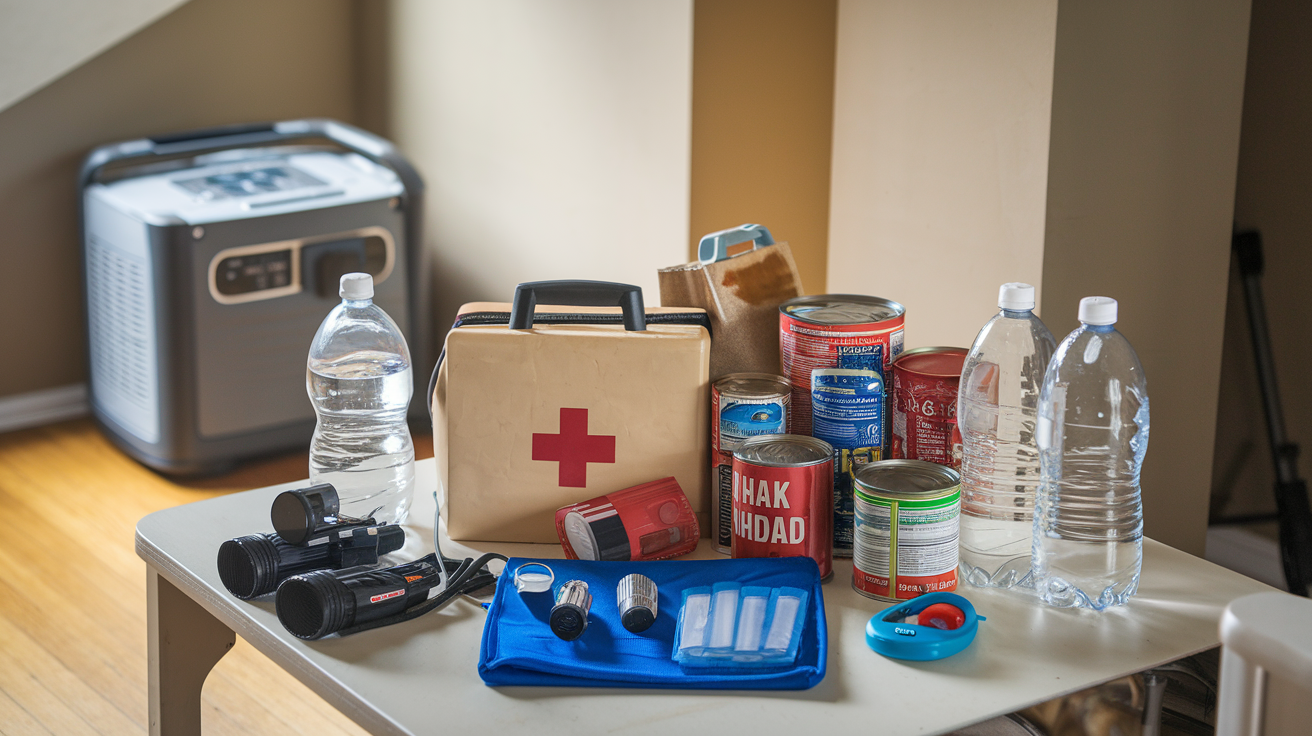
Assembling adequate emergency provisions requires systematically building up stockpiles over time.
Stage 1
Focus first on securing water, non-perishable foods, alternate cooking tools, safety items for 2-7 days.
Stage 2
Expand food pipeline to a 2-week supply, increase water capacity, bolster medical resources, upgrade shelters.
Stage 3
Extend food pipelines to 5-8 weeks, reassess tools, expand power backups, reinforce household infrastructure vulnerabilities.
Careful disciplined growth avoids overwhelming initial costs.
Review Final Household Readiness
Once individual, family, and pet preparations are complete, reassess overall household infrastructure for vulnerabilities:
Elements to Check
- Hurricane-proof windows/doors with protective coverings
- Flood barriers securing basement entryways
- Raised electrical systems above prospective water levels
- Tree pruning to minimize treefall damage
- Staked/fastened external accessories like grills
- Backup power sources
- Accessible emergency shutoffs for water/gas lines
- Fire extinguishing tools
- Monitoring for household damages/leaks
Upgrade and maintain your structural defenses.
Special Prep Lists By Disaster Type
Certain natural disasters warrant targeted preparations.
Hurricanes
- Plywood window coverings + fasteners
- Backup plywood + tools
- Chainsaws for clearing fallen trees
- Weather radio alerts
- Mosquito repellents
- Sun protection
Tornadoes
- Advanced radar tracking apps
- Helmets
- Respirator masks + goggles
- Respirators for pets
- Bike helmets for outdoor pets
- Windowless interior room shelter
- Safe room reinforcement
Wildfires
- Respirator masks - P100 grade
- Fire-resistant clothing
- Backpack water carriers
- Emergency fire shelters
- 100-foot water hoses
- Shovels for smothering flareups
- Maps with evacuation sites
Review Emergency Supply Inventory Checklists
Here are condensed checklists summarizing key preparedness essentials your household needs by storm season kickoff.
Food Checklist
Ensure a 2-8 weeks supply is secured:
- Shelf-stable proteins: ✅
- Grains, crackers: ✅
- Freeze-dried fruits/veg: ✅
- Powdered dairy: ✅
- Snack items: ✅
Medical Checklist
Ensure first aid and care items are stocked:
- Common remedies, meds: ✅
- Injury/wound care: ✅
- Personal prescriptions: ✅
- Emergency references: ✅
Water Checklist
Ensure an emergency supply is met:
- 1+ gallon per person per day: ✅
- Pet needs included: ✅
- Storage containers secured: ✅
Safety Checklist
Ensure key items are secured:
- Backup lighting, chargers: ✅
- Fire suppression tools: ✅
- Escape tools: ✅
- Emergency shelters: ✅
- Manual communication: ✅
Miscellaneous Checklist
Ensure other logistics are addressed:
- Cash reserves: ✅
- Paper record backups: ✅
- Evacuation transport: ✅
- Special needs items: ✅
- Household hazard protections: ✅
Customize the list for your household's special contingencies like babies or disabilities.
Let the Wind Roar and Waters Rage!
You've optimized your emergency preparedness for this storm season. Review kits and checklists as peak months approach, but rest easy knowing you've invested in your household's safety and resilience. Learn more in Hurricane Season Prep Checklist 2026. Learn more in Weather Safety and Preparedness.
Now, ready those picnic supplies for a cozy indoor blanket fort. Heavy rains invite indoor coziness. You've got this, weather warrior!
Frequently Asked Questions
Should I prioritize water containers or water filtration devices?
Stockpile some bottled water reserves, but also acquire portable filtration systems like Lifestraws or pumping pitcher filters for flexible water replenishment.
How frequently should we cycle out shelf-stable food items?
Plan to rotate canned/dried foods into everyday use about once annually. Some exceptions (e.g., honey, salt) can last even longer.
What key items am I likely forgetting?
Don’t overlook your mental outlook! Download entertaining games, movies, and playlists beforehand since emotional states impact resilience.
Storm Preparedness Glossary
Emergency Supply Kit
Pre-gathered backstock of equipment, tools, and provisions for survival, communication, healthcare, and nutrition needs during natural disasters.
Evacuation Go Bags
Lightweight grab bags with minimal supplies for fleeing disasters urgently, sustaining 72 hours.
Food Pipelines
Continual supply chain for food items meeting nutritional needs over a defined duration, focusing on non-perishable goods.
Weather/Emergency Radio
Battery-powered radios with manual generators for tuning into emergency alert broadcasts.
Bug Out Location
Pre-determined meeting point for families to reconvene post-disaster impact, often with evacuation go-bags.
Congratulations on taking crucial steps toward safety and resilience! Wishing you calm skies and storm-ready hearts and homes.