guide
Best Time to Visit Iceland — Weather Guide by Month
Plan your Iceland trip with our month-by-month weather guide. Best times for Northern Lights, midnight sun, and outdoor activities.
Best Time to Visit Iceland — Weather Guide by Month
The short answer: June through August offers the midnight sun, moderate temperatures (50-60°F), and the lowest chance of extreme weather. This makes it ideal for road trips and hiking. If you want the Northern Lights without freezing solid, September offers aurora displays with slightly less harsh conditions. Avoid November through January unless the Northern Lights are your singular goal. These months bring near-total darkness, wind gusts over 40 mph, and temperatures dropping to 15°F or lower.
Iceland Monthly Weather Overview
Best months for midnight sun, Northern Lights, and outdoor adventures

June, July, and August are your window for the midnight sun. In June, sunset is at 11 PM and sunrise at 3 AM. By July, the sun barely dips below the horizon at "midnight." Twilight persists throughout the night. This extended daylight means you can hike until 10 PM, explore waterfalls and glaciers without headlamps, and experience a genuinely surreal landscape. July is the warmest month at 61°F and the driest at only 7 rain days. Road conditions are reliably good, making it peak season for Ring Road loops and interior highlands access.
The trade-off is crowds. Tourist numbers peak in July. If you want the midnight sun without tourist gridlock, June is your answer. Temps are still pleasant at 59°F, and rainfall is only slightly higher at 8 days.
September flips the script. The midnight sun is gone, but the Northern Lights begin flickering back into view. Temps drop to 54°F, and you'll need warmer layers, but the air feels fresher and the landscape shifts into fall golds and reds. Rain days are only 9. This month offers a genuine sweet spot for photographers and aurora hunters who don't mind the cold.
October through February is for Northern Lights chasers. December is peak darkness (sunrise at 11 AM, sunset at 3 PM) and peak aurora activity. But these months are brutal. February wind averages 20-30 mph with gusts over 40 mph. Roads ice over. If you're going for the lights, book accommodations with aurora viewing areas, prepare for 5+ days of waiting in cold darkness for clear skies, and accept that many planned activities will be weather-cancelled.
Months to think twice about
November is the worst month to visit. Daylight is fading (only 4 hours), it's too cold for comfortable outdoor activities (39°F average high), and it's not quite cold or dark enough for reliable Northern Lights viewing. Rain days peak at 13, so you'll likely spend time indoors with limited visibility. This is also prime tourism bottleneck season as people pivot toward winter. Learn more in Best Time to Visit Banff — Weather Guide by Month. Learn more in Best Time to Visit Great Smoky Mountains — Weather Guide by Month.
March through May is transitional and unpredictable. Snow can linger at higher elevations into May. Daylight increases, but roads can still be icy. These months work if you're flexible and don't mind a higher percentage of cloudy days.
What to Pack for Iceland
Cold, wind, and rapid weather changes are constants. You need to layer even more aggressively than you think necessary.
Merino baselayers are essential. Start with Merino wool thermal bottoms and tops. Add a mid-layer fleece, then a heavily insulated outer layer. For winter (October-March), the North Face Arctic Parka is overbuilt but worth it if wind exposure is a concern. You'll also need insulated, waterproof boots rated to -20°F. The Sorel Caribou Boots are the standard for Iceland's wet, icy terrain.
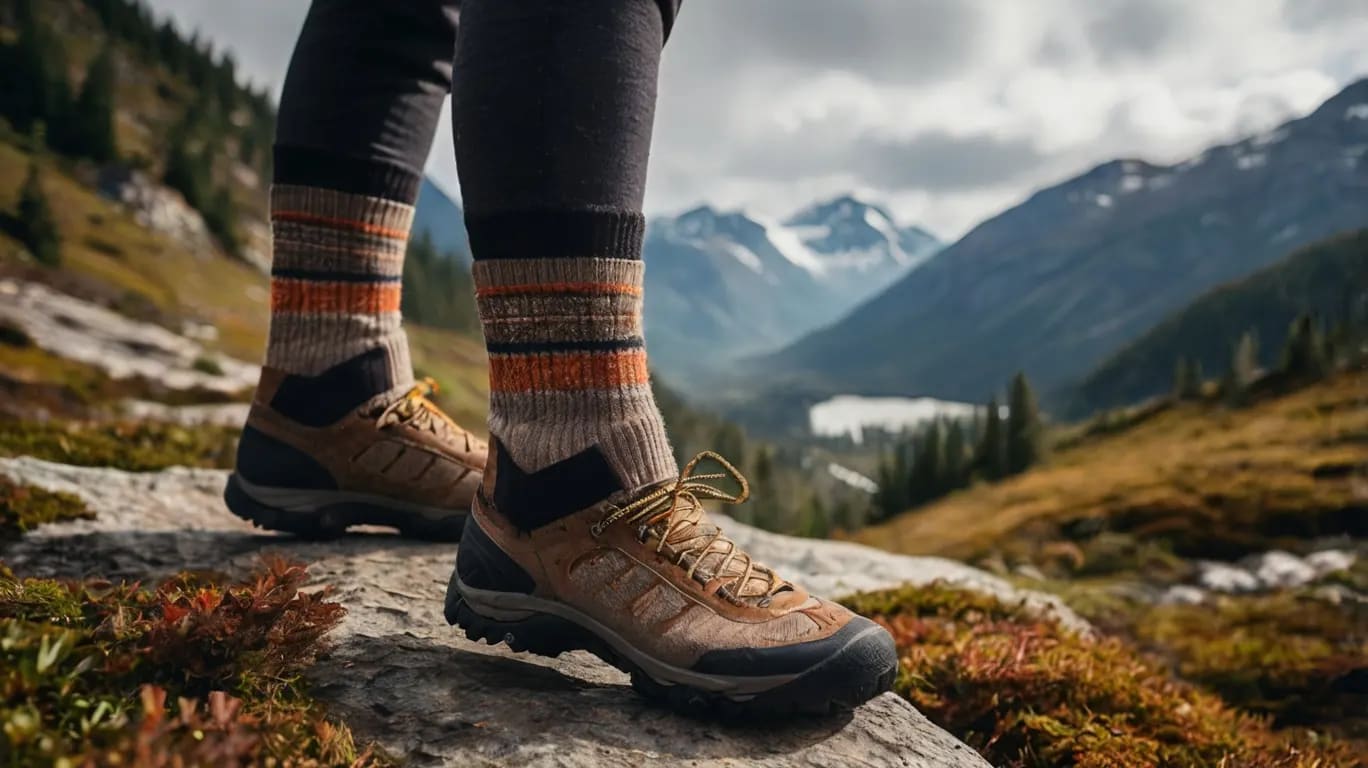
Pack wool socks (Darn Tough or merino), a neck gaiter, insulated gloves, and a waterproof hat. If you're chasing Northern Lights, bring a headlamp and thermal underlayer. Sunscreen (SPF 50+) is surprisingly important even in winter due to UV reflection off snow.
Summer visitors (June-August) can downgrade to a lightweight rain shell and fleece, but always carry a rain jacket. Iceland's weather changes in minutes.
Plan with current conditions
Iceland's storms develop quickly and road conditions shift hourly. Before committing to outdoor activities, check real-time forecasts for your specific route using OpticWeather. Our app shows wind speed, visibility, precipitation type, and aurora probability so you can make safe decisions about Northern Lights hunts and highlands access.